
Stellar soaring in Texas over the week-end of 4th of July. Ron flew a new state record for 500km out and return – 145km/h. Me, on my 400km much slower 🙂 – Cloud base was 12,000ft MSL out west – yiiiieeeeeeeeeeeeehaaah!
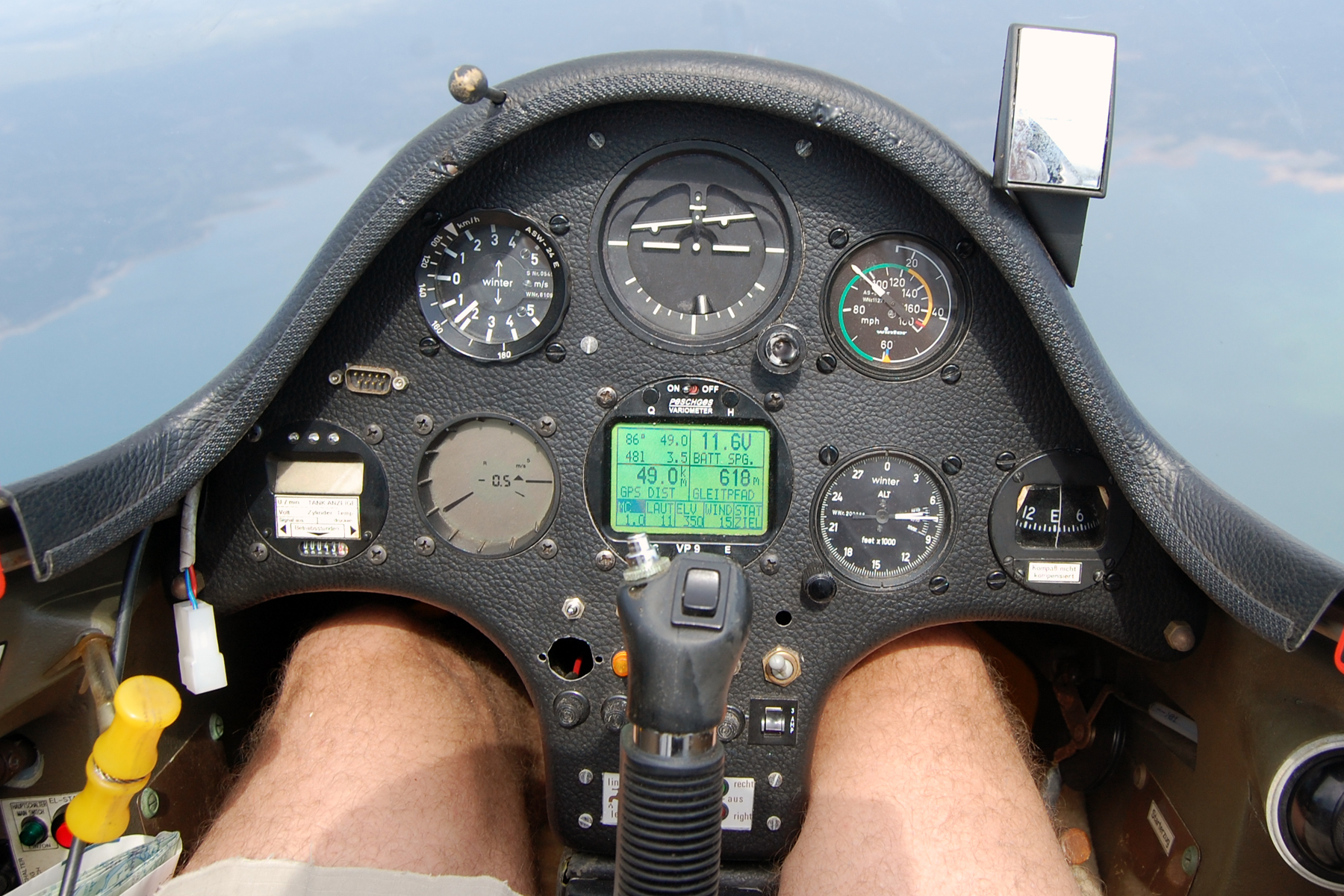
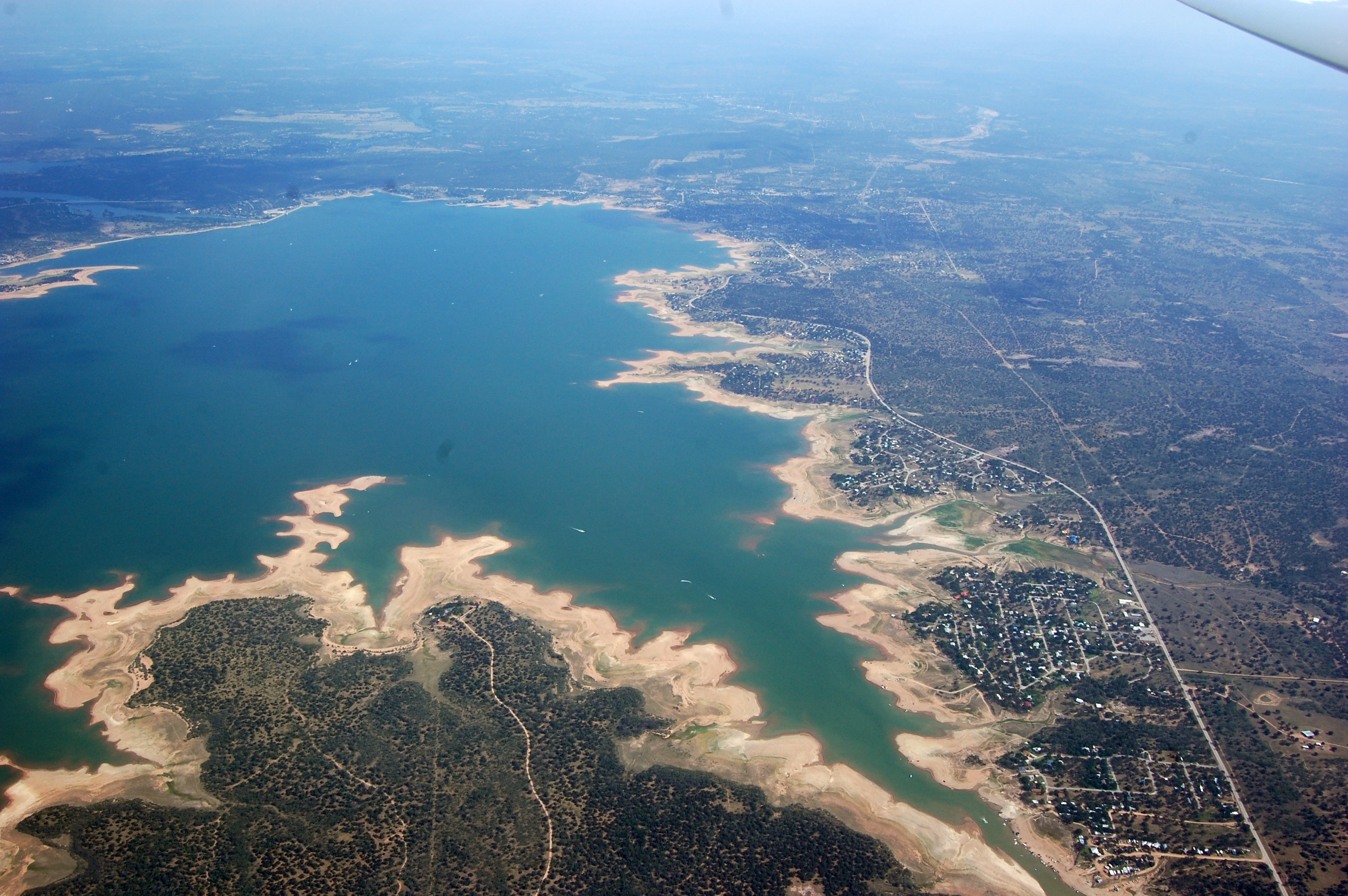
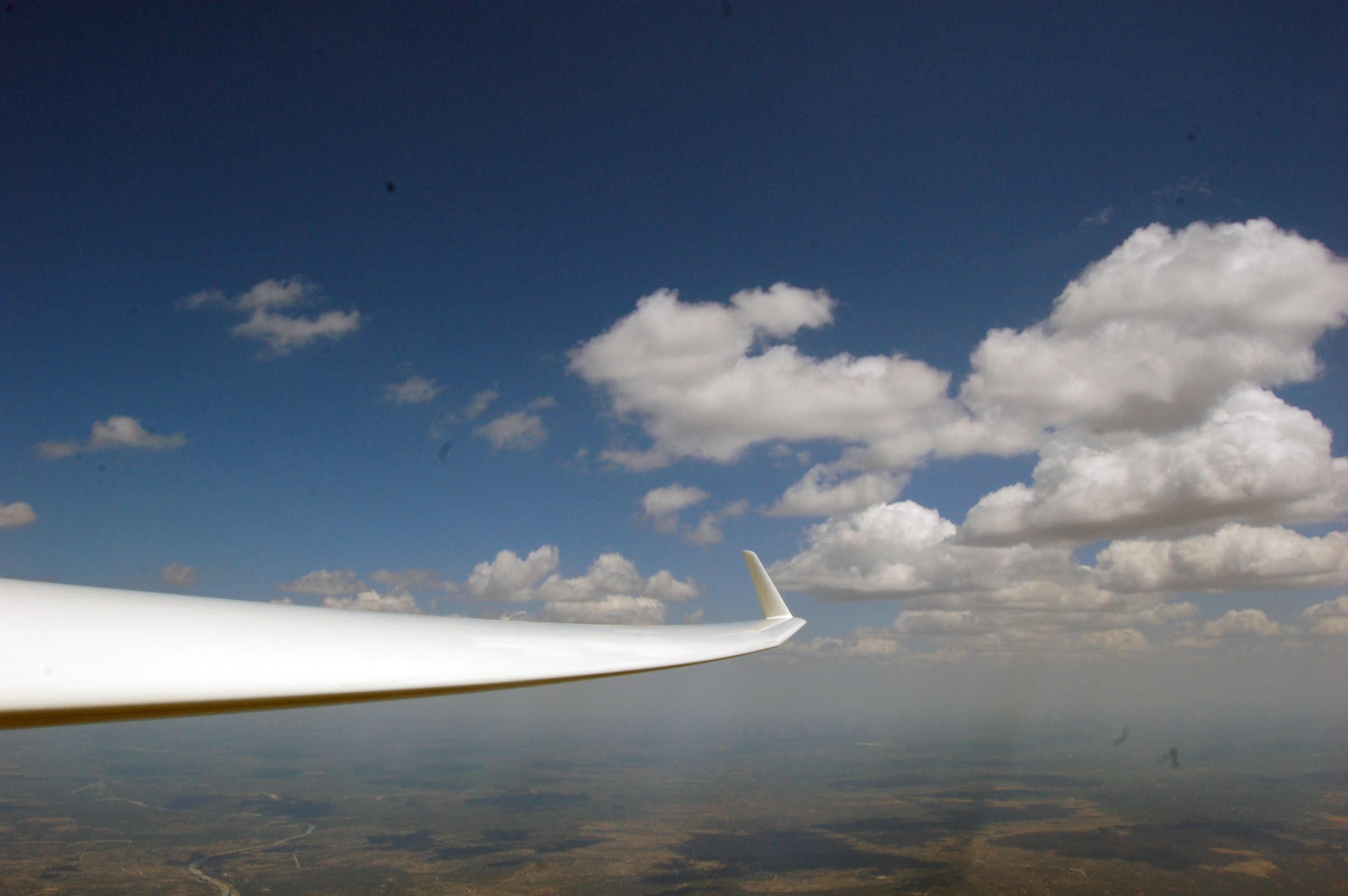
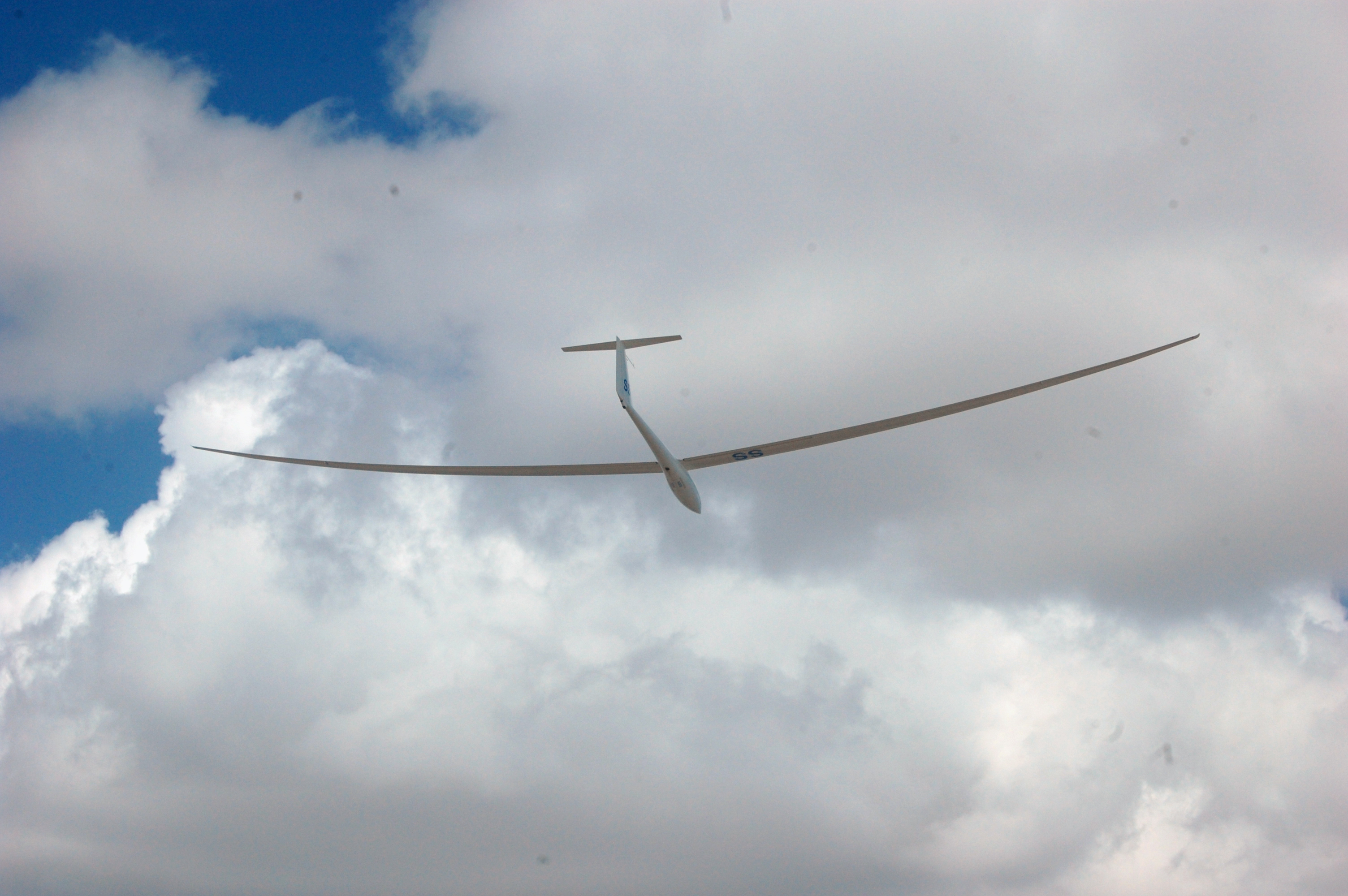
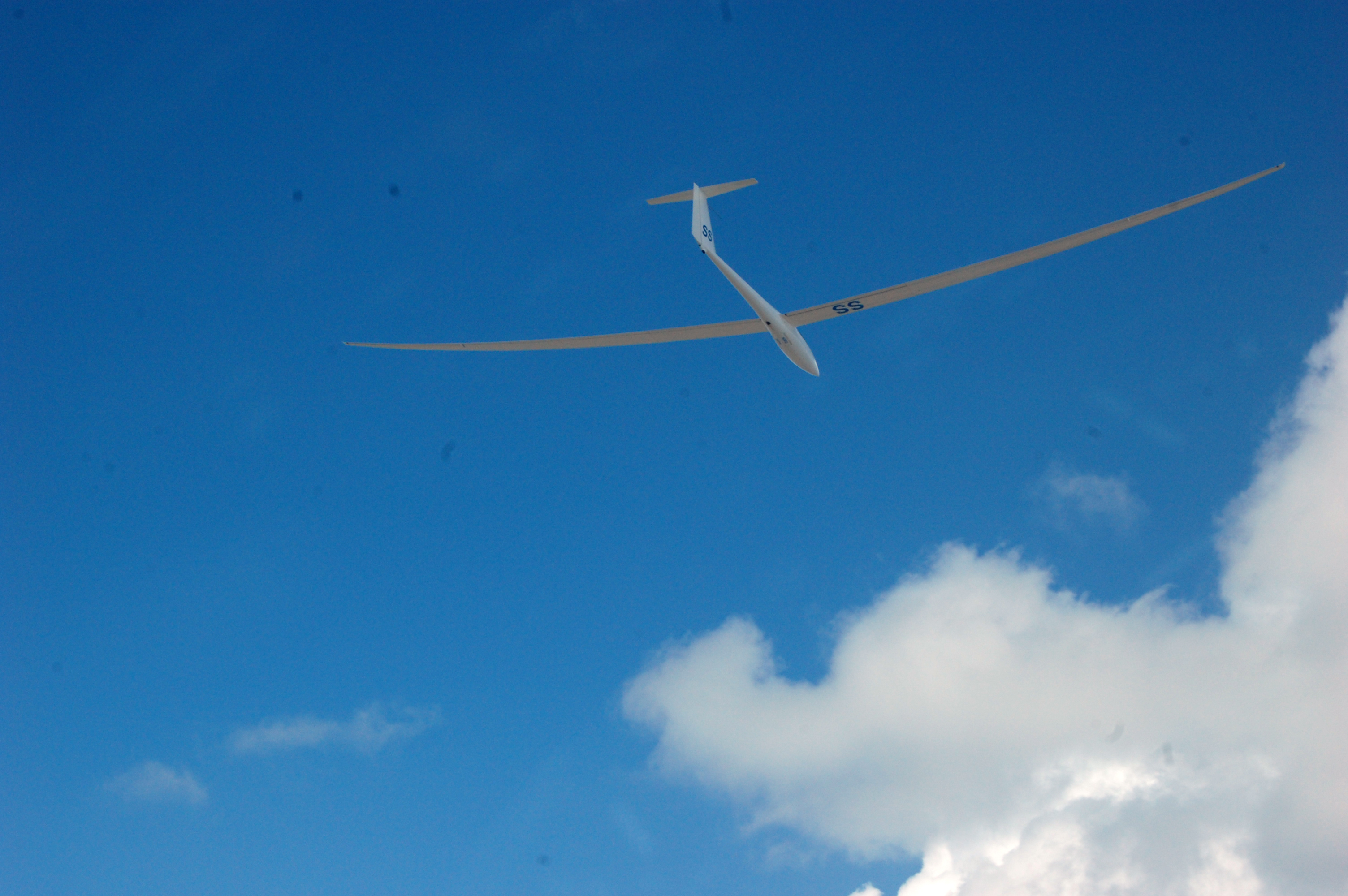
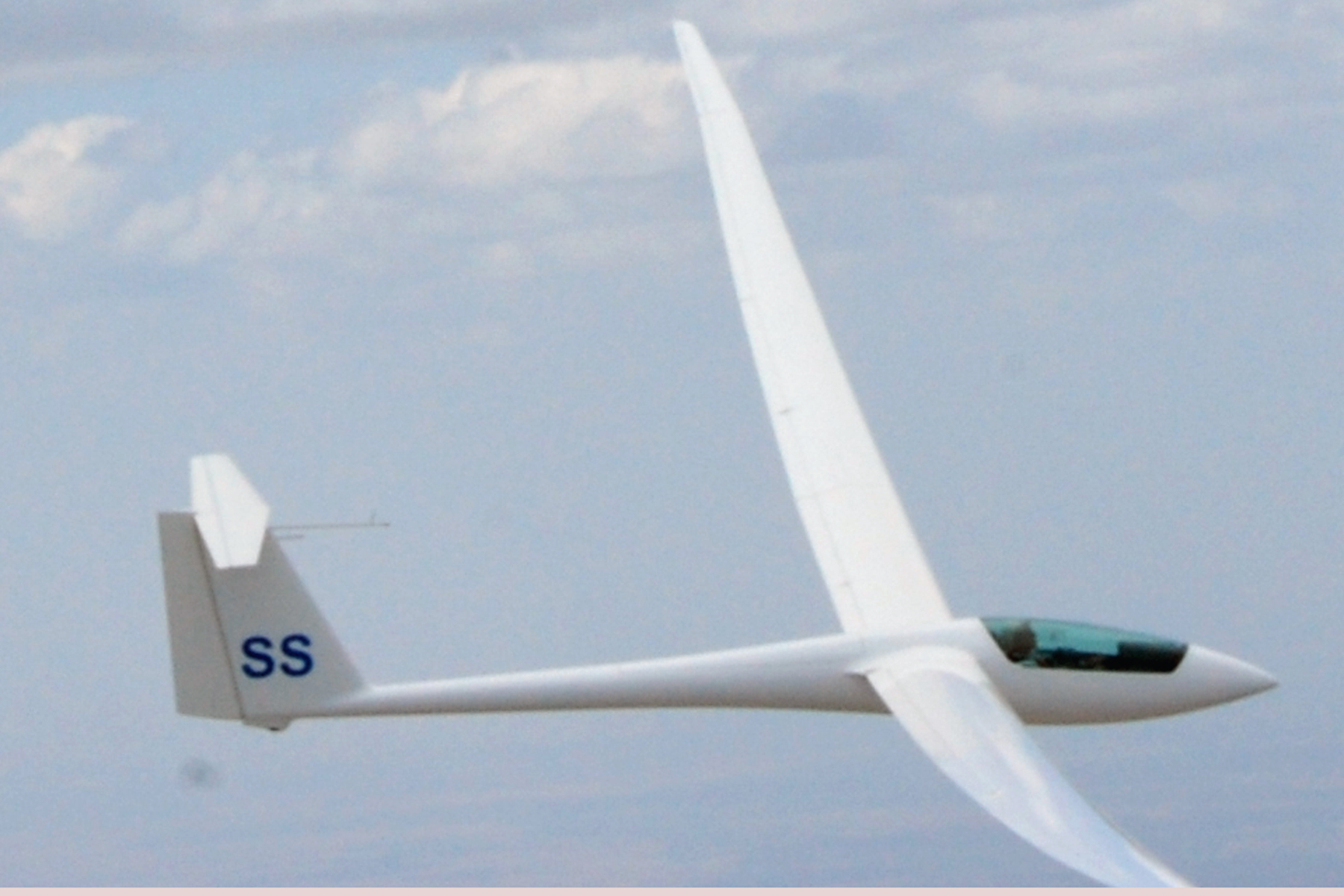
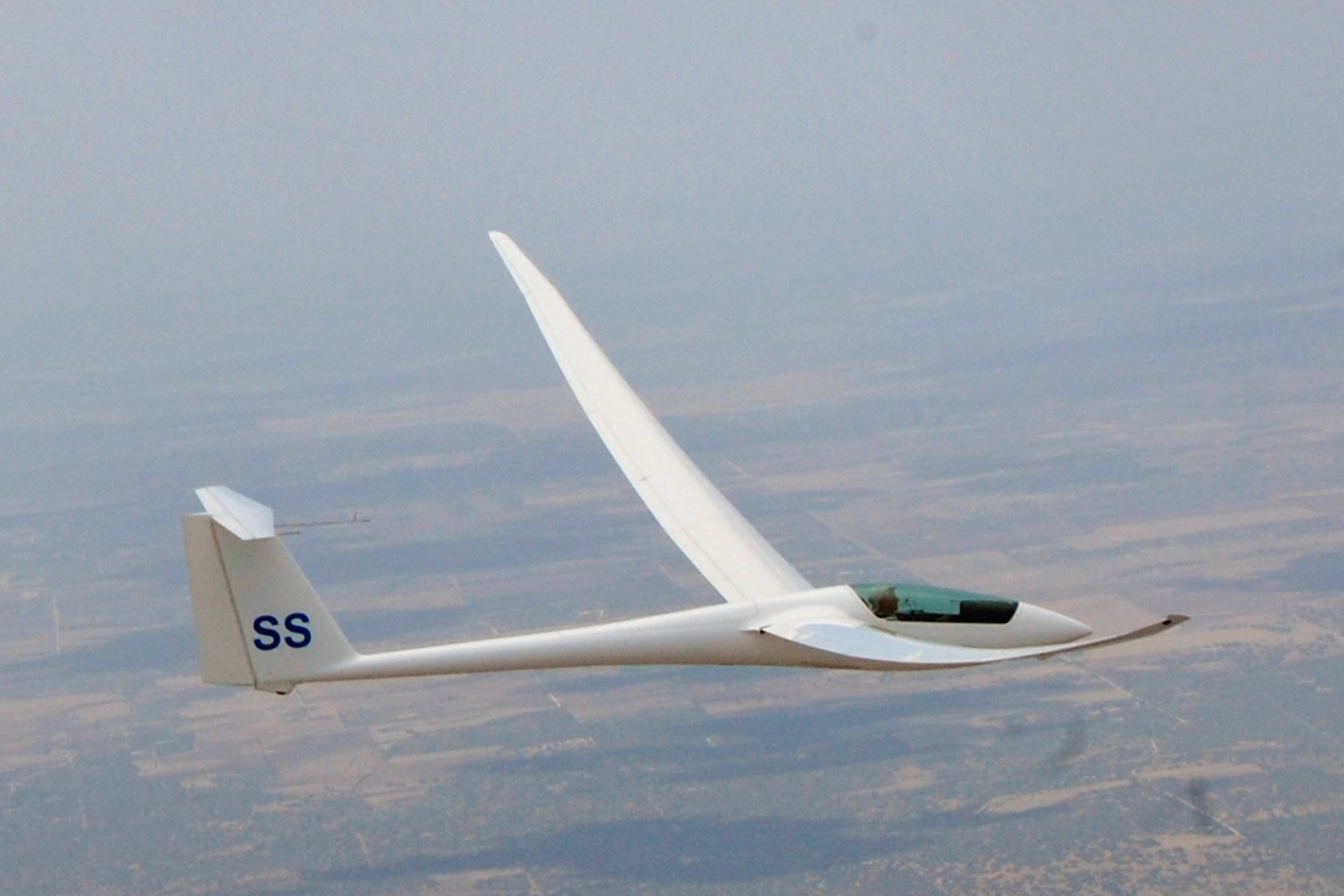
Stellar soaring in Texas over the week-end of 4th of July. Ron flew a new state record for 500km out and return – 145km/h. Me, on my 400km much slower 🙂 – Cloud base was 12,000ft MSL out west – yiiiieeeeeeeeeeeeehaaah!


Ro: “I want music, daddy, come!” <pointing to the macBook>
Me <reading a paper at the table>: “…Umm… OK ….. — …..I’m coming …..”
Ro: “No you’re *not*!” <pause> ” You’re feet aren’t moving!”
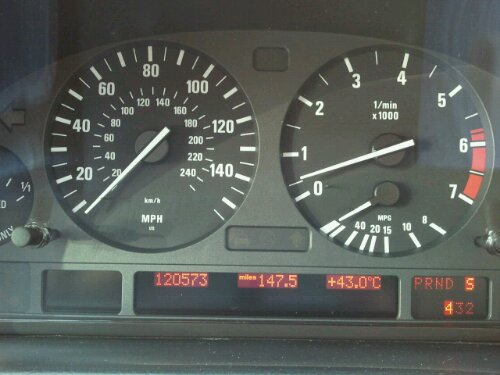
On our way to day-care Ro took the initiative to strike a conversation with me.
Ro: “Daddy, what did you do when you got me from school the other day ?” <The other day is his way of saying “yesterday” – still struggling with tenses :)>
Me: “I picked you up with the blue car and then we drove home”
Ro: “No, you braked!”
Me: “Yes, that’s right, I slowed for a squirrel, so I wouldn’t hit it” <I had a rather sudden full stop with anti-lock brakes engaging, to not hit the little squirrel, who was running across the street>
Ro: “I love squirrels!!! We have squirrels at home”
Me: “Yes, we have a squirrel in the yard, he’s running on the fence. You like him?”
Ro: “Yeeees, I love him, I catch him!!!” <no future tense here either>
Me: “I don’t think you will be able to catch him. He’ll run away, he’s very fast.”
Ro <insisting>: “No, I catch him”, <now waving his arms and showing how he catches the animal>, “and then I’ll turn him OFF!”
I really burst out in laughter from his baby logic: Turning off a squirrel, so it wouldn’t run away – genious!
Am diesjaehrigen Vatertag sind wir mit der ganzen Familie fliegen gegangen. Little Ro, der jetzt schon drei Jahre alt ist, wollte unbedingt als Co-Pilot fliegen. Bei meinem lokalen Fliegerklub war die C172 Skyhawk fuer den ganzen Tag frei so dass wir beschlossen trotz texanischer Rekordhitze der letzten Tage von 42C einen $100 Hamburger Trip zu fliegen.
Gesagt, getan, so fuehren wir am Sonntag morgen gegen 9:30 auf den Flugplatz. Das luxurioese Atlantic Terminal fuer die allgemeine Luftfahrt ist rund um die Uhr an allen sieben Tagen der Woche voll besetzt und empfaengt normalerweise die Business Jet fliegende Kundschaft. Wir geniessen den selben Komfort, inclusive der luxurioesen Raeumlichkeiten. Nach gruendlichem Check der Cessna war klar dass ich erst mal 3 Liter Oel brauchte – besonders wichtig bei den hohen Aussentemperaturen. Nach dieser unfreiwilligen Verlaengerung unseres Rollfeldaufenthaltes gings aber dann richtig los. Little Ro hatte es sich in seinem Kindersitz auf dem co-piloten sitz gemuetlilch gemacht. Er ist von den vielen Schaltern und Hebeln sichlich beeindruckt. Nach dem Einholen meiner VFR clearance wird das Triebwerk angelassen und auf geht es zum Rollhalt der Parkpositionen. Ground control faellt diesen Sonntagmorgen zu den Aufgaben des Towers. Wegen der temporaeren Sperrung unserer normalen Runway 17L muessen wir erst 1.5 Meilen ueber die vielen Rollwegen zur anderen 3km langen Bahn rollen. Bei 25kts wind, der in Boen bis 30kts blaesst ist das Rollen in geraden Linien muehsam. Ich beschliesse eine intersection departure von Rollweg “Golf” zu requesten. Nach ruecksprache mit dem Tower und dem request for engine runup on “Charlie” wird die mir auch genehmigt. So kann ich mir eine weitere Meile Rollen mit Rueckenwind sparen und kurze zeit spaeter sind wir “cleared for take-off runway 17R”. Nach kurzem initial climb geht es sofort quer ueber das Flugplatzgelaende am Tower vorbei richtung Osten. Laermschutz? Unknown. Wir knattern direkt ueber das Terminal in weniger als 100m. Jetzt werden die 40Grad Aussentemperatur schnell deutlich – die C172 steigt nur mit mageren 4-500fpm. Und wir muessen noch bis auf 7500MSL… Nach 17 min sind wir dann endlich oben. Und die Aussentemperatur ist auf angenehme 19C gesunken. Ausleveln, power reduzieren, leanen und Autopilot einschalten. Mittlerweile ist mein kleiner Co-Pilot gluecklich mit dem Gebrumme des Triebwerks eingeschlafen – Daddy got me covered… 🙂
Ueber den spaerlichen Wolken und ueber der ausgepraegten Inversion in 6000ft brummen wir mit unglaublichen 112kt unserem Ziel entgegen. Nach 30 min level flight und sight seeing, ohne jemals anderen Traffic gesehen oder von ATC gewarnt worden zu sein beginnen wir unseren Descent nach Brenham. Houston Center released uns von der Frequenz, Squawk VFR (“1200”). Kurze Zeit spaeter unser initial call fuer Brenham: “Brenham traffic, Skyhawk 413ES, 5 miles SW of the field, 3000ft, joining a left downwind for runway 16 full stop, Brenham.”
Shortly after we’re turning final on 16 and battle the gusty winds to talk the plane onto the runway. Es werden drei kleine hopser, bevor die kleine Cessna endlich am Boden bleiben will. 25kts ist halt schon recht windig. Hab ich auch schon mal schoener gemacht. 🙂
Parken, Flieger anbinden und Co-Pilot aufwecken geht alles sehr schnell. Kurze Zeit spaeter werden wir von der Restaurant Hostess zu unserem Tisch gefuehrt, wo wir im Schatten unsers Burger essen und Schokomilch trinken. Gut gefuettert, gestaerkt und entspannt, geht’s nach einem Boxenstopp zurueck zum Flugzeug. Diesmal sitzt MrsM vorne und pilotiert die Cessna. Ich beschraenke mich auf das Funken und das Wohlbefinden des kleinen Mops im Kindersitz hinter mir. Wir starten gen Sueden, in eine steife Brise und werden in den ersten 1000ft gut durchgeschuettelt. Danach beruehigt sich die Turbulenz und wir steigen behaebich auf unsere 6500ft Reisehoehe. Dort angekommen wird es MrsM kurze Zeit spaeter zu langweilig und sie beginnt S-Kurven in den Himmel zu zaubern. Baby und Husband sind begeistert. Wir brummen fuer 30min gen Westen und melden uns bei Austin Approach zeitig an. Noch “8 miles out” hoeren wir “ES for left base, expect 17L”. Ah, die Runway auf unserer Terminal Seite ist wieder offen! Vor uns fliegt eine American Airlines MD-80 auf 17R an, nur 2-3 meilen entfernt, bevor wir ins Final eindrehen, alles unter voller Last und mit high speed (Na ja, was so eine C172 halt hergibt). Vor uns startet ein Southwest Airlines 737, wake turbulence, aber rotate ist erst an unserer Rollweg Abbiegung, also kein Problem. Als wir unseren Turn to final beendet haben sehen wir das PAPI genau mit 2 roten + 2 weissen lampen – ideal, direkt auf Gleitpfad! Jetzt das Gas raus und Speed abbauen, bei diesem starken Wind landen wir ohne Klappen auf der 2.8km langen runway. Wir flaren und warten lange, lange … laaaaange, bis die Cessna sich endlich hinsezt. Unser roll kommando lautet “exit Kilo”, obwohl wir schon bei Lima fast stehen. Also weiter auf der Runway rumrollen. Freigabe zum Rollen zum Atlantic Terminal kommt sofort nachdem wir die Bahn verlassen. Also gleich weiter zur Park Position. Wir stellen das Triebwerk ab und oeffnen sofort die Tueren – Die 40Grad Hitze ist zurueck!
Der kleine Co-Pilot fragt von hinten: Daddy, can I fly in that Helicopter?” – Can’t get enough of flying. – Gut so. 🙂
Every time I think about the holocaust I feel overwhelmed and ashamed of my homeland. The number of vicitims of that atrocity is just too overwhelming. When I watched a documentary on TV about these WW-II events I came across a remarkable quote from a jewish writer and poet, whose name I didn’t catch. Regarding the estimated six million victims he said: “6 000 000 has too many zeroes. The correct way to write the number is 6 000 000 multiplied by 1 six million times.”
I really liked that.
In my professional life I was given the opportunity to work for two different Israeli managers over the time of my carreer. It made me proud that a new form of normal could be achieved between individuals of both cultures. Healing is a big word and an even longer process, but I value that particular cross cultural experience a lot.
As the post war generation we just have to do the best with what we’ve found – I think we did.
Today I had the privilege to tour our new semiconductor fab in Austin. Since Samsung started its memory business, it has expanded capacity and announced last year to produce logic chips (microprocessor). To do so, they added a new fab and invested $3.6 billion!
Last time that I’ve been inside a fab was more than ten years ago, as manufacturers guard their production lines to avoid unnecessary contamination as well as know-how leakage.
So I felt very fortunate to tour the most advanced production facility currently in the US, bar none. Samsung produces the latest state of the art chips in its most advanced process technology.
So we walked up to the third floor to enter the new facility. The two floors below are purely for supplies – delivered from a less clean environment. It took us a good 15 min to get everybody in the group gowned up into their bunny suits. Shoe liners, hair net, hood, mask, gown, over-boots, glove liners and gloves made up our outfits, anonymizing everybody by making them look the same.
Then we entered through the air showers into a humongous production hall, that was loud, bright, mostly white and: deserted by people.
The state of the art production process actually requires very little human intervention, the wafers are handled fully automatically by a transportation system with pods that run on rails under the ceiling. They zoom from machine to machine and deliver their goods for the next process step. Technicians are only inside the fab to trouble shoot equipment, analyze failures or to load and unload the pods at the beginning or the end of the production run. Everything else happens by magic. When I walked the endless aisles of insanely expensive machinery I couldn’t help but feeling being transplanted into the middle of a strange spaceship. Wafer pods zooming by ahead at blazing speeds, a sudden warning sound and a box of wafers being dropped off at the machine from the ceiling, just 2 feet away. The belts extend, drop off the container zoom up to the pod again, and the pod disappears, only to let the machine go about its business of processing the wafers inside the container. The container and the machine dock in an air tight seal. The inside contains the truly clean air, the outside, where we walk is just seriously clean, not insanely clean. 🙂
We get to see the metal, ion implant, etching, wafer loading and finally lithography – these beasts cost multiple tens of millions of dollars per machine and there are several of them. I suddenly understand how the price of $3.6billion came to pass. Each of the pods above has the value of a top of the line family sedan.
We walk, sweat, barely hear each other over the white noise of the air conditioning system and the machines. Then suddenly the light changes from white to yellow as we enter another part of the fab. Everything is yellow, what was bright white before. This marks the border to the new part of the fab – cross contamination with the white production line is not allowed.
As we cross through the gangway into the adjacent production hall the pods zoom along above our heads to deliver the wafer material to the other building. There, an older part of the process is housed. The older generation handling robots are immediately apparent, as they drive on the ground in their own aisles. It immediately reminds me of the movie “Wally”. Two different generation of robots working in the same space side by side, but keeping out of each other’s way. Still no people! We pass by some installation crews, hovering over an opening in the floor with schematics in hand and large wires coming up from below. Everyone of them nicely bunnied up, no dirt here!
It’s like from a scene from “The Enterprise”. We continue our tour through the second part of the fab, tour the test lab facility and finish with the station that packages the wafers for shipping. We leave the fab through the changing rooms and are happy to don our outfits for more civilized clothes. Suddenly my cubicle doesn’t seem like such an outrageously small office space any more. It’s just fine with me – and quiet.
The whole experience was very stunning and impressive – though tiring, despite the only one hour length of the tour. The noise really got me!
The other day I read a headline in the paper about how we will once and for all win the battle over cancer in the near future with new methods in the medical field. One would hope. But I’m personally sceptical (no surprise to ppl who know me :)) that that will actually happen. This has been the dream of some of our smartest researchers for the last 25 years – or more. Nevertheless, the further we looked and understood the mechanics of the desease the more we splintered the battle field into smaller domains. Some cancers have great known treatments, whereas others are pretty much lethal no matter how we treat them with the methods known to us today.
Which leads me to the thought, or more the question, if we maybe approach the problem incorrectly. To use an analogy from computers, it appears to me that we try to solve the latest software computer glitch with a hammer, screw driver and a soldering iron (chemo and radiation) – Not very likely to yield good results.
What if the cancer is more of a software problem, a genetically misprogrammed cell that needs a patch. We currently don’t have the means to fully understand what the acid/base sequences on the DNA really mean and also have very limited means to manipulate them. So in order to fix cancer for good, we first need to understand how DNA actually works – a monumental challenge by itself – before identifying the exact failure mechanism and then going about fixing it by modifying the DNA of said cells. The mechanics of the last step is currently experimental at best, but technology is evolving fast in that area – so I’m hopeful.
The bigger challenge in my mind is to fully understand how the DNA works. This is more of a information technology and computer science problem. It might even be the case that we currently don’t know the math that is required to understand the coding behind it. As an example I’m thinking of the fourier transformation and the discovery of imaginary numbers, that lead to many breakthrough advances in science and engineering. An engineeer equipped with these mathematical tools can solve problems that were unthinkable to solve before the discovery of these techniques. The same might be true for genetics. Maybe we’re just a couple of centuries too early to grasp how DNA is actually encoded mathematically. We can look at it, stare at it, but fail to understand it fully because of our limited mathematical means.
If that is true, more interdisciplinary research is required to accellerate the application of the most sophisticated mathematical methods to new and thriving fields like gen technology and nano technology. In my opinion even the traditional Software development should be able to advance beyond the “more of the same, just bigger” approach of today.
Until that happens, keep your weight down, excercise, and eat healthy! Never a bad idea anyway. 🙂
Ro drives in MrsM’s red car every day back home from Day Care. Many times she uses her GPS to run an errand on the way back home. And many times when the GPS shows her the fastest way around town she exclaims: “Love my GPS!!!”.
So the other day when they were on their home following a red Jeep this dialog happened:
Ro: Mom! Do you love the red Jeep?
MrsM
Ro: But you say “I love the Jeep!”
MrsM: !?!?
Ro: You say “I Love the Jeep! – Jeep!!!”
MrsM: Ohh! You mean “Geep”-Eee-eS (GPS)
– Yes, I love my GPS!
🙂