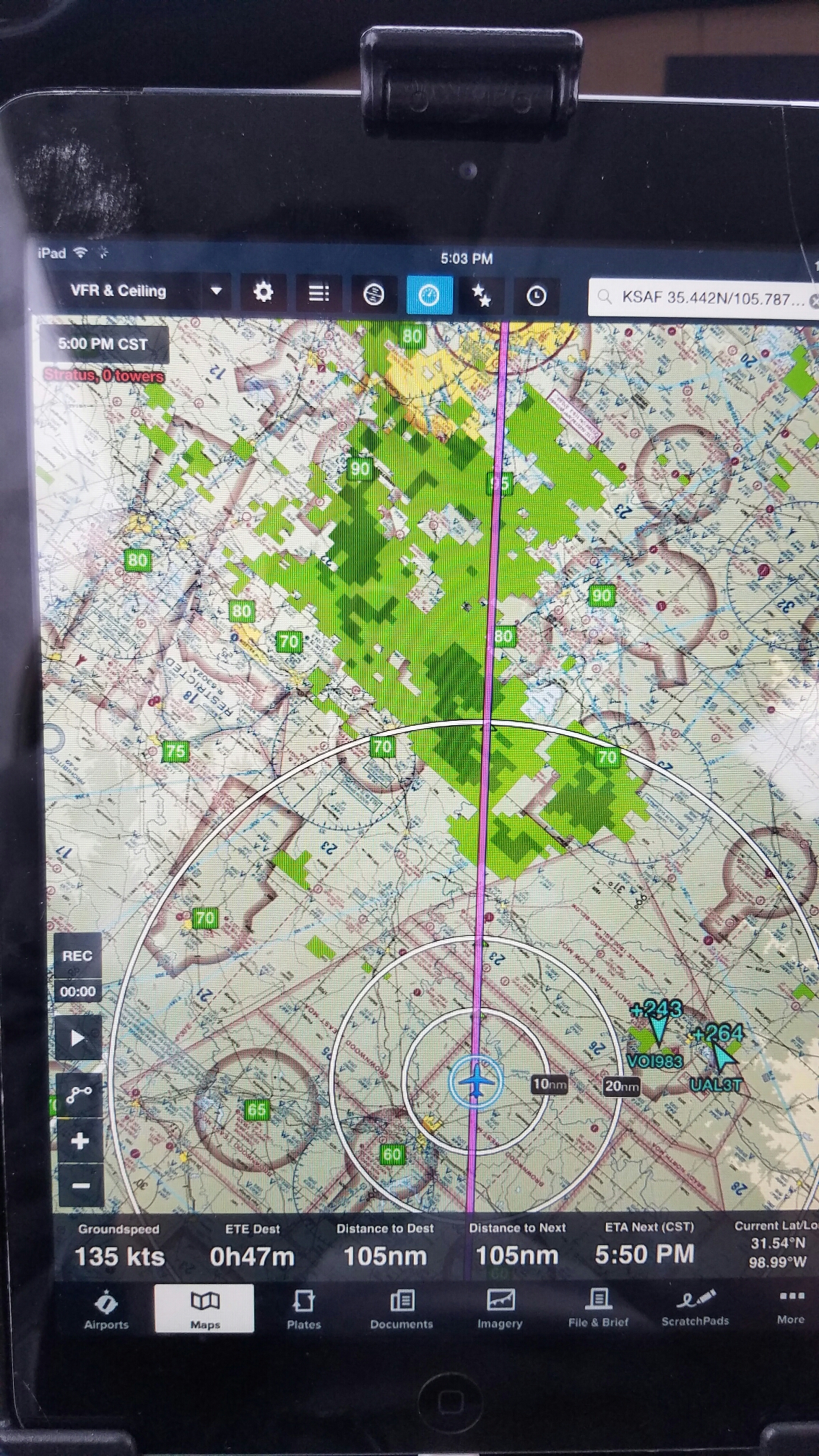
Love this flower! – Silly AI. Poor computer has never experienced flying with “Foreflight” and ADS-B weather….
Time to change the computer’s diaper now.
Love this flower! – Silly AI. Poor computer has never experienced flying with “Foreflight” and ADS-B weather….
Time to change the computer’s diaper now.

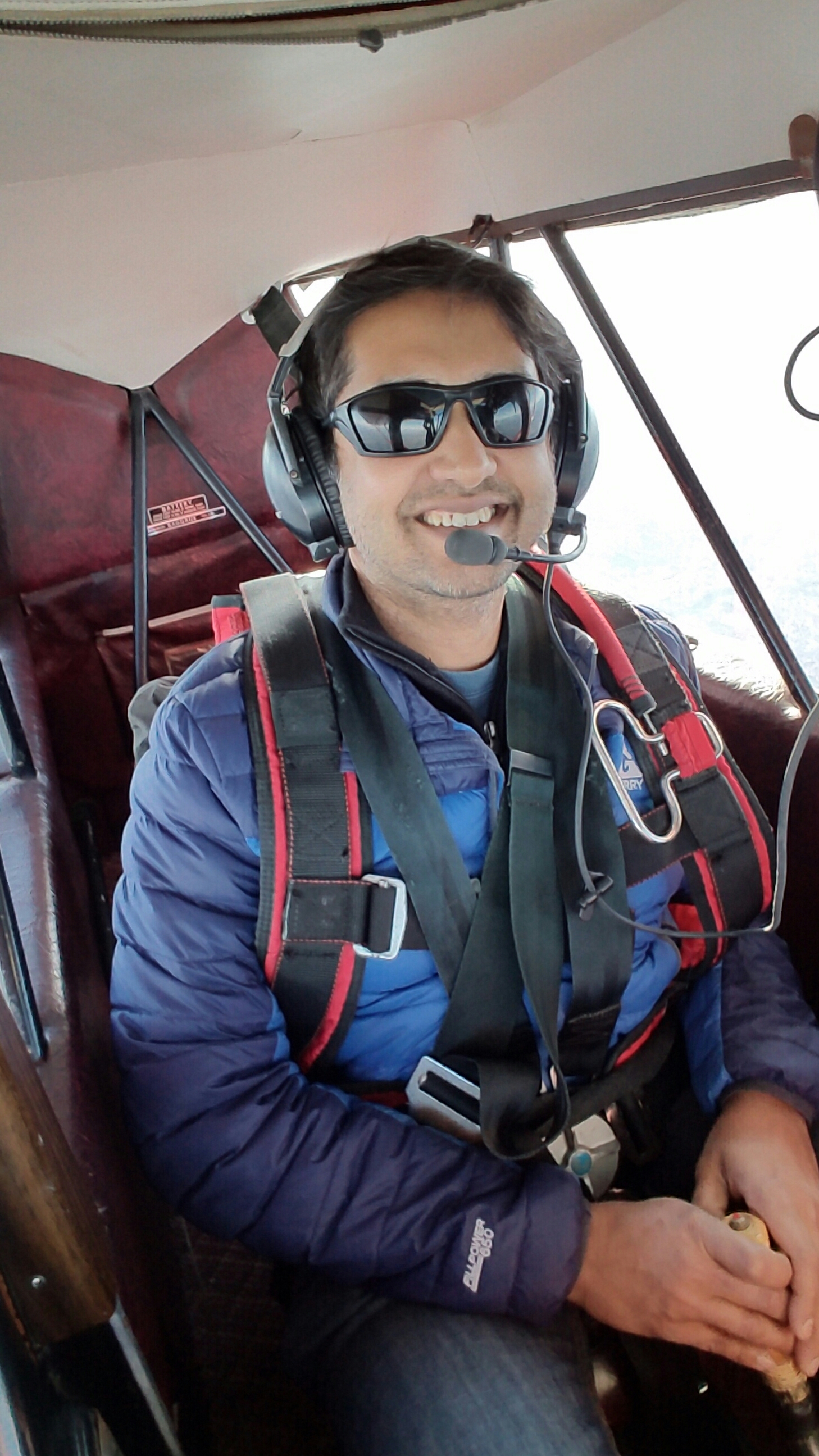
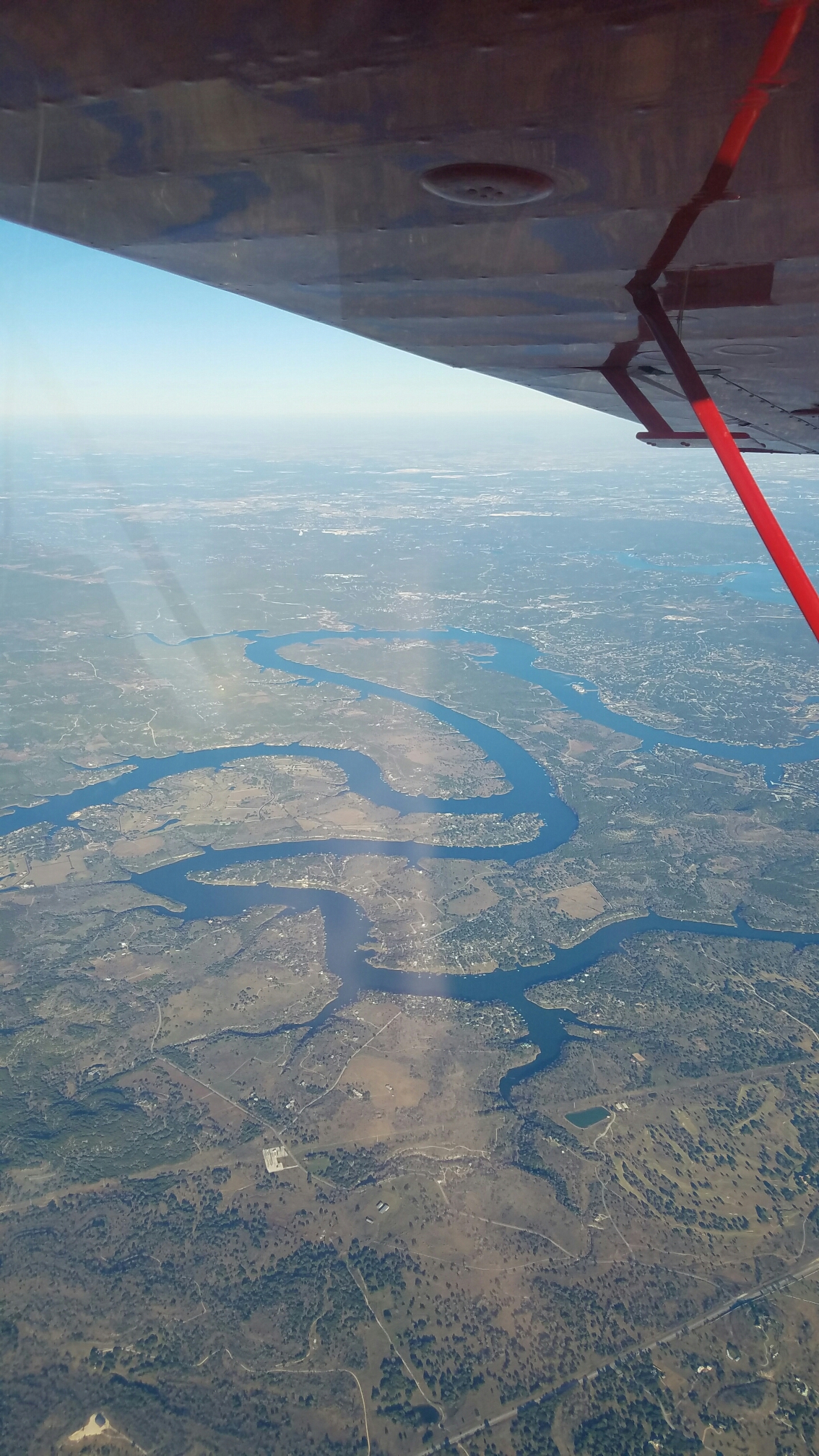
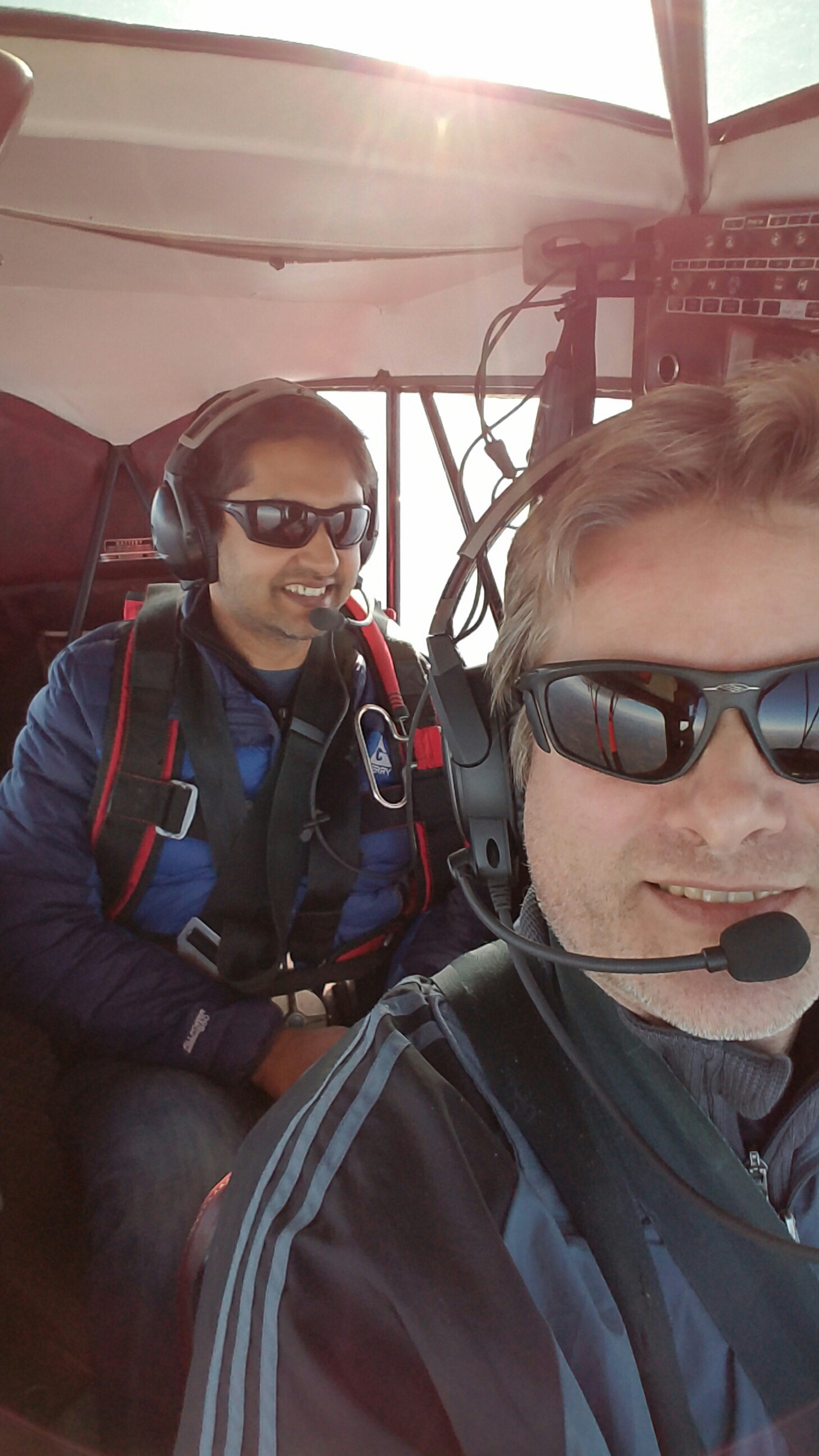

Farewell – You were an inspiration! Happy to have had you in my life.



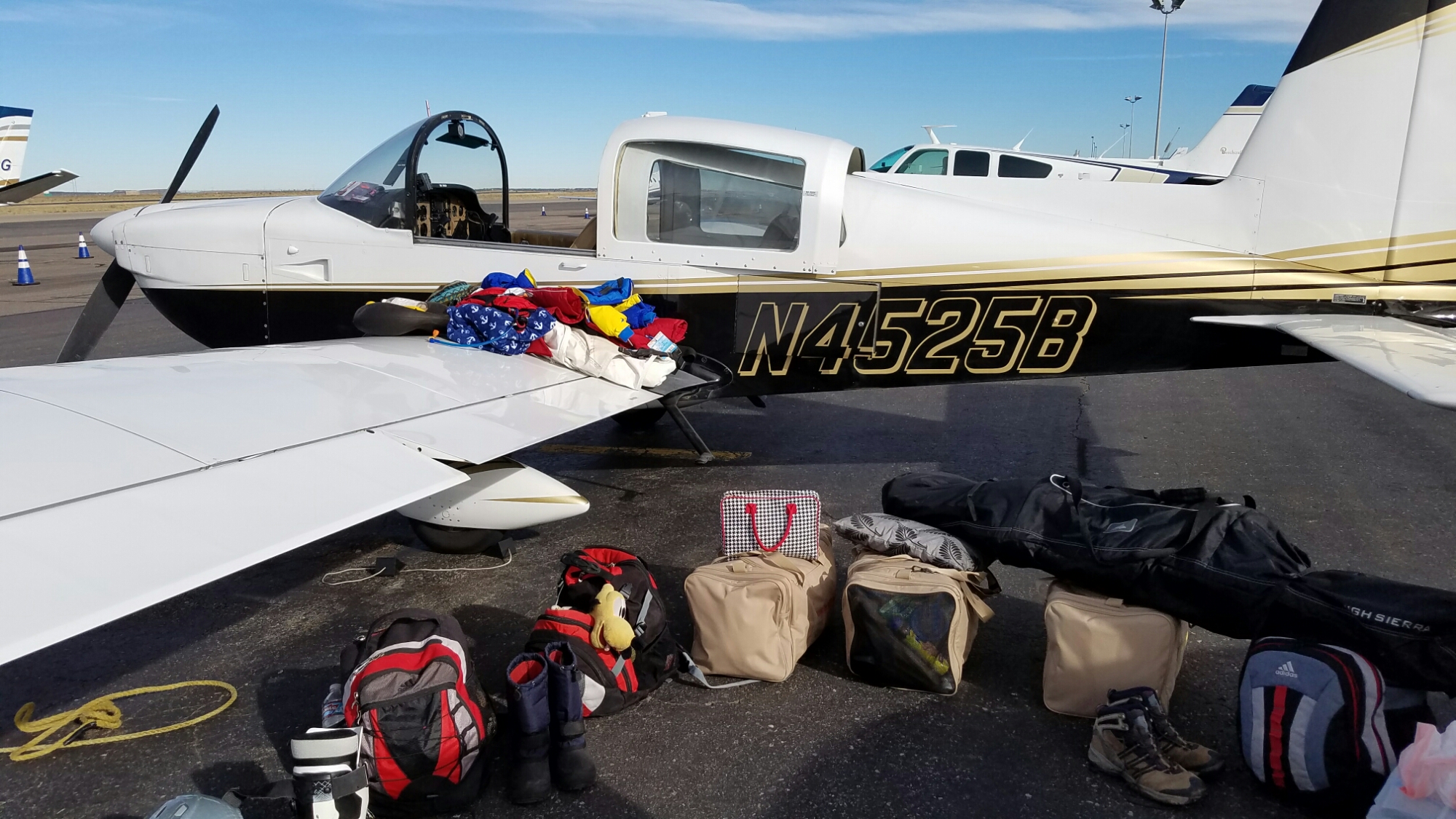
We currently fly a Grumman AA-5B Tiger – a 180hp fix gear four seat airplane, the fastest in its class. It has 135kts cruise, 550NM legs, and an awesomely flexible cabin with great visibility (but not much shoulder room (42inches)).
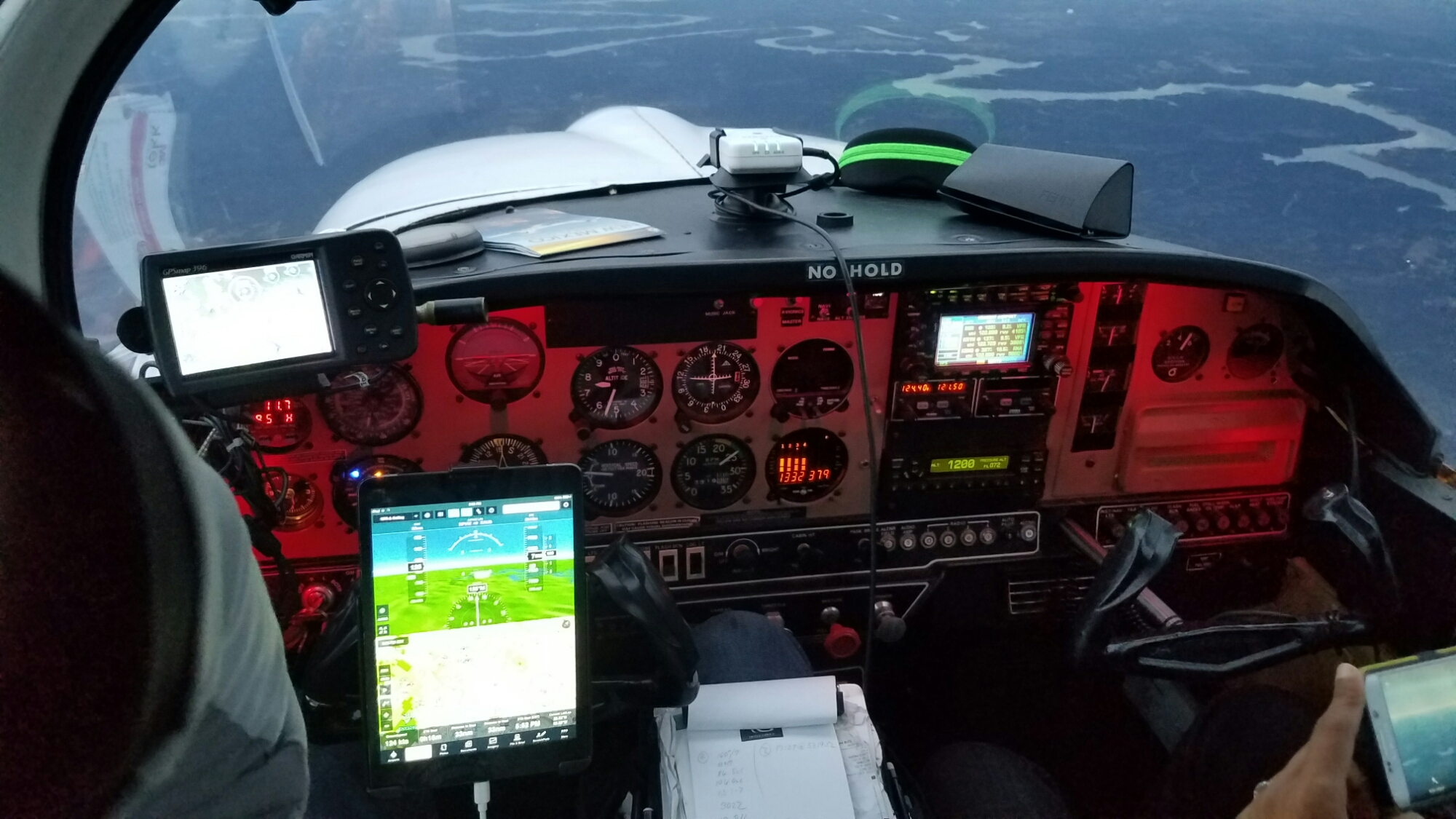
It is remarkably cheap to operate and burns 9.5gph. It’s fully IFR equipped, with a standard 6-pack IFR layout, Garmin 430WAAS, STEC-30 with altitude hold autopilot, a coupled Garmin 396 with XM weather and radio, and an iPad with Foreflight and a Stratus 2 with ADS-B-in for weather and traffic on the iPad. It also has a digital engine monitor (EDM-700) and a fuel totalizer (JPI 450). It’s a great instrumentation for a very low price. I calculate $80/hrs including gas with engine and maintenance reserve ($35/hour) – based on a $4.70/Gallon.
It’s a remarkable little machine – our magic carpet – and none of the other planes under consideration can stand up to this rare combination of efficiency and cost effectiveness. But who said planes were about saving money? :-)))
Requirements: 4-seats, >160kts, >600NM legs, lots of luggagespace, Autopilot
Nice to have: potty (six seater), IFR, wide shoulder room
As long as I continue to only fly 50-100hrs per year, I can afford large operating cost/hr. Fix cost should be the primary focus. This might put twin engine airplanes back in range. (i.e. Twin Apache, old Baron (Spar A/D)). That way I would fly with the family at night, something I currently don’t do.
Planes currently on the not so short short list:
*Piper Comanche 260 C – 1969
*Meyers 260D – 1958
*Lancair ES-P (Columbia 350) – 2010
*Mooney Ovation 2 (180+ kts, long cabin) – 1990
*Rockwell Commander 114 (wide cabin) – 1980
*Cessna 210 (Spar crack A/D) – 1976
*Beechcraft Debonair F33 (Spar crack A/D) – 1971-1984
*Piper Malibu (Insurance!) – 1986-1990
*Cessna P210 Silver Eagle (Turbine) – 1980
*Socata TBM-700 (Insurance!) – post IPO 😉
I’m posting this as a reminder to myself why I shouldn’t get a Lancair whenever I get too carried away by their awesome performance. The two airplanes I’ve considered for a long time are the Lancair 360 Mk-II and the Lancair IV-P with a TSIO-550. From the stats it looks like the Lancair ES is the only sane choice.
But one can never outperform a stat in the long run. I have enough flying friends who have paid the ultimate price while trying. This is not a cynical comment, just reality.
Lukas Beyer – a good flying friend of mine and competent pilot with aerobatics and sailplane experience died in a Lancair 235 crash with an engine failure. Life is more boring since then without him.
Excerpt from the NTSB accident investigation of the Lancair Propjet crash that killed the Micron CEO in Feb 2012 in Boise, Idaho.
http://www.kathrynsreport.com/2012/02/micron-ceo-steve-appleton-went-down.html
The following breakdown was provided by the Lancair Owners and Builders Organization (LOBO) and gives the best estimate of the accident rate for the Lancair fleet (see figure 03 in the public docket for the graph):
Model           : Flying,
                :      Accidents,
                :         %Accidents,
                :             Fatal,
Model           :                %Fatal Accidents of Accd.
===========================================================
 Lancair 200/235: 103  32 31% 16 50%
 Lancair 320/360: 301  76 25% 28 37%
 Lancair ES     :  96   4  4%  3 75%
 Lancair IV/IV-P: 240  51 21% 27 53%
 Lancair IV-TP  :  57  15 26% 11 73%
 Legacy         : 121  27 22% 14 52%
 Lancair Evol.  :  50   2  1%  0  0% - too new
============================================================
 Totals         : 922 207 22% 99  9%
MrM., Don’t buy a Lancair! – Live long, live happy.